Energy saving home upgrades are front of mind for many households as energy bills remain high. While solar panels often steal the spotlight, there is also a whole toolkit of other improvements that can reduce running costs, boost comfort, and make homes more sustainable. This homeowner-friendly guide explores the smartest energy efficient upgrades beyond solar, from quick, low-cost swaps to whole-home improvements that really do add up over time.
The figures used in this blog are indicative and may vary by property, behaviour, tariff and installation quality.
Why Energy Saving Home Upgrades Matter
The average household energy bill in 2025 is £1,720/year, or about £143 a month for a typical dual-fuel customer under the Ofgem price cap. Alongside renewables, energy saving home upgrades such as insulation, smart heating controls and efficient glazing play a meaningful role in cutting waste. As a result, even small measures can add up to noticeable savings over time. Small measures stack up: for example, draught-proofing strips on windows and doors can save around £50-£100 a year, and a smart thermostat can trim up to £75 a year while helping you use heat more efficiently.
1. Quick Wins: Simple Energy Saving Home Upgrades
To begin with, some of the most effective energy saving home upgrades are also the simplest to install, making them ideal first steps for many households.
LED lightings
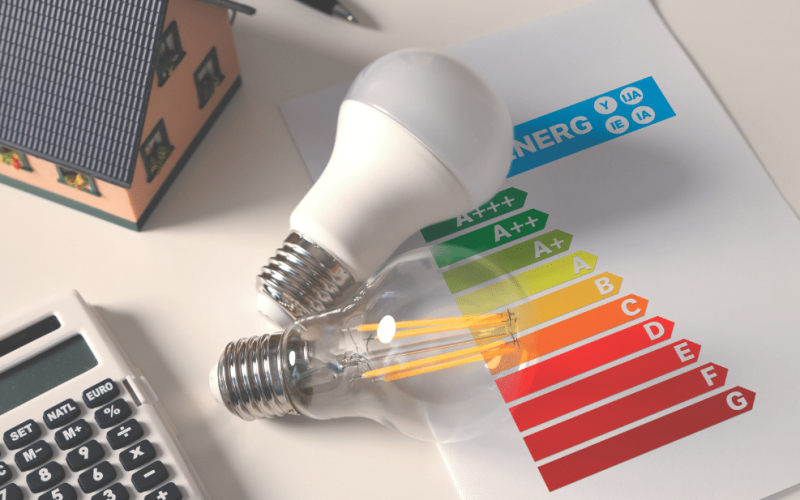
A simple swap with outsized impact. Replacing halogens with LEDs typically reduces lighting electricity by around 65-85%. For many homes, changing all bulbs can save £40-£50 a year, with better light quality and far longer bulb life.
Smart Heating Controls
Smart thermostats, programmers and thermostatic radiator valves help heat the right rooms at times. Depending on your households use, it has commonly produced an 8-20% reduction in usage, with the savings in the £96-240/year range.
Draught Proofing
Seals around doors, windows and letterboxes, plus chimney balloons or dampers for unused flues, reduced uncontrolled air leakage. In older homes, sensible draught-proofing can cut heat loss notably (often quoted at 15-20% in older homes.) Typical materials are inexpensive, and many households recover costs within a single heating season.
2. Insulation: One of the Best Energy Saving Home Upgrades
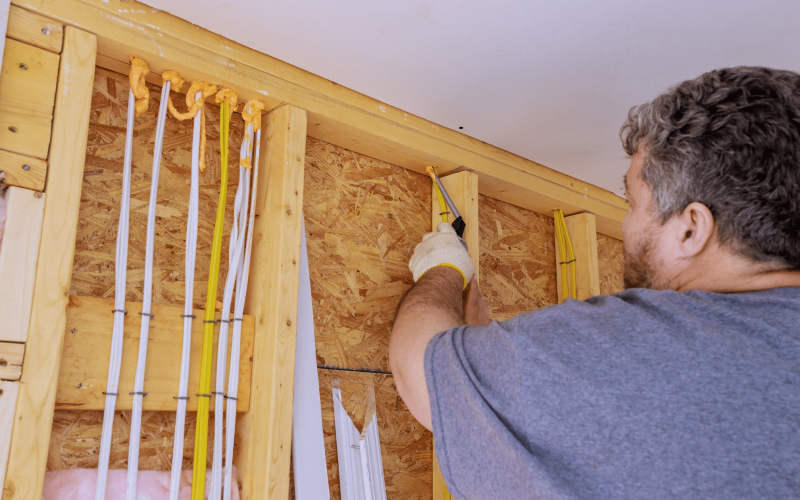
In particular, insulation remains one of the most effective energy saving home upgrades, delivering noticeable improvements in comfort, health and annual running costs. Around 33% of a typical UK home’s heat escapes through the building fabric, roofs and walls are the biggest culprits. Loft, cavity and internal/external wall insulation remain three of the most impactful upgrades in the UK. For example, loft and cavity wall insulation are often among the quickest upgrades to pay back their initial cost.
Benefits you’ll notice:
- Comfort: fewer cold spots, warmer in winter, cooler in summer.
- Health: Reduced condensation and risk of mould.
- Bills: typical annual savings often quoted at £270 for loft insulation (based on a 3-bed semi-detached house) and £400 for cavity wall insulation, depending on your home and energy use.
Support: Depending on your circumstances and property, help may be available through schemes such as ECO4, GBIS, Home Upgrade Grant or local council programmes.
3. Windows and Doors: Energy Efficient Home Upgrades That Lock in Heat
Similarly, glazing performance is measured by U-value, with lower values indicating better thermal performance. Upgrading from single to modern double or triple glazing can dramatically reduce heat loss and cut condensation.
Typical reference points:
Double Glazing: £300-£400 per window.
Rough estimates for a whole 3-bed house: £8,000-£12,000 depending on specification. Triple Glazing tends to sit at 10-50% more.
Insulated Composite Door: £550-£2,500+ installed
Service life for modern doors is often 20-35 years with good maintenance.
Signs it’s time to upgrade: persistent draughts, misting between panes (failed seals), or regular condensation inside in cold weather.
4. Heat Pumps and Hybrids: Thinking Beyond the Boiler
Instead of generating heat by burning fuel, heat pumps move existing heat, allowing them to deliver three to four units of heat for every unit of electricity used. For every unit of electricity used, they can deliver roughly 3-4 units of heat per 1 kWh of electricity under the right conditions. Hybrids pair a heat pump with a boiler, switching as needed.
Best results: well-insulated homes with suitable emitters (large radiators or underfloor). Many older homes can adopt heat pumps after fabric improvements.
Support: the Boiler Upgrade Scheme currently offers grants up to £9,000 for eligible air/ground-source installations in England and Wales. Some local programmes may add further support.
5. Ventilation: Efficiency’s Quiet Partner
At the same time, improving ventilation is essential as homes become more airtight through other energy efficiency upgrades. As homes become more airtight, purposeful ventilation is essential to manage humidity and indoor pollutants. In kitchens and bathrooms, quiet, humidistat-controlled extractors remove moisture efficiently and automatically.
Mechanical Ventilation with Heat Recovery (MVHR) supplies fresh air while reclaiming heat from extracted air (up to 95%!) helping you maintain comfort without unnecessary waste. On average, MVHR systems can reduce heating bills by around 25%, providing notable long-term savings.
Why does this matter? Damp air can make a home feel colder and push the thermostat up; managing moisture also helps reduce the risk of condensation and mould.
6. Hot Water: Small tweaks, steady savings.
Hot water heating uses a significant share of household energy use (around 17%). Simple retrofits help.
- Cylinder jackets reduce standing losses and often pay back within months. They reduce heat loss from tanks by about 75%, saving around £20 a year on heating bills.
- Low flow showerheads and tap aerators can cut hot water use substantially while maintaining comfort. A single efficient showerhead can save around £65 worth of gas and around £100 of water.
- Smart shower controls manage flow and temperature more precisely.
7. Integrating Smart Tech: See it, Then Save it
Real-time feedback is powerful. Seeing usage in pounds and pence encourages immediate behaviour changes, switching things off, shifting usage, or spotting energy-hungry appliances. Studies show that households with smart meters typically lower their electricity use by 2-3%, and their gas consumption by 2% (on average).
Many suppliers provide helpful in-home displays and apps; third party monitors can add appliance-level insight.
8. The Garden: Hidden Efficiency Wins
- LED or solar garden lighting keeps the outside welcome at a fraction of the energy (i.e. switching to LED can reduce garden lighting electricity use by up to 90%)
- Insulated garden rooms/sheds stay comfortable with far less heating; pair with smart controls for occasional use.
- Rainwater harvesting doesn’t save energy directly, but it can lower metered bills and support sustainable gardening.
9. The Kitchen: Energy Efficient Appliances and Habits
The kitchen is full of hidden energy costs, but small swaps and smarter habits can make a big difference.
Energy Labels: Modern UK ratings now run from A (most efficient) to G (least efficient), showing energy use in kWh per year. Many products once rather A +++ are now B or C under tougher rules, so they may still be very efficient.
Appliances: Older fridges and freezers can cost £50-£150 more a year to run than modern A-rated models. Replacing 24/7 appliances first delivers the biggest long-term savings.
Cooking: Microwaves and air fryers use far less energy (around £0.14 per use) compared to an electric oven (£0.59 per use). Use lids on pans, match hob sizes, and batch-cook where possible to make heat go further.
10. The Whole Home Plan: Combining Energy Saving Home Upgrades
Overall, the best energy saving home upgrades treat your property as a system, starting with fabric-first improvements before moving on to heating and smart controls.
- Reduces demand before you invest in tech
- Improves comfort and indoor air quality
- Helps right-size future heating systems and avoid mis-spend.
How Lendology Can Help
Finally, if you own your home and are exploring energy-saving improvements, we’re here to help you understand your options and access trusted advice. We work with local councils across the UK to support responsible home improvements.
Ready to take the next step? Get in touch to learn more about support in your area and how we can help you plan your upgrade path.
We recommend carrying out an independent retrofit assessment to determine which improvements may be suitable for your property, circumstances and budget.