When people talk about the UK housing crisis, the conversation usually focuses on one issue: building more homes. Yet poor housing conditions UK wide are affecting millions of households living in properties that are cold, damp, inefficient or in serious need of repair.
But another crisis is hiding in plain sight: the condition of the homes people already live in.
These realities highlight the scale of poor housing conditions UK wide and the urgent need to improve the homes people already live in.
Poor housing conditions are closely linked to ill health, financial stress and rising energy costs. For many households, particularly older homeowners or those on modest incomes, the cost of essential repairs can feel impossible to meet.
And for many, the support available simply isn’t enough.
The Overlooked Problem: Poor Housing Conditions UK Households Face
Much of the debate around housing focuses on supply, but the quality of existing housing stock is just as important.
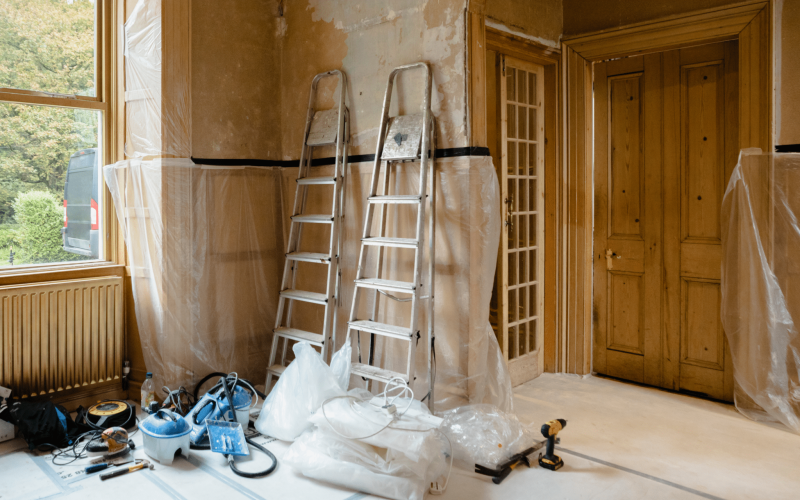
Across the country, many homes face serious issues, including:
- damp and mould
- poor insulation and energy inefficiency
- leaking roofs or structural repairs
- unsafe electrics
- homes that are unsuitable for ageing or disability
These are not cosmetic improvements. They are the repairs and adaptations that allow people to live safely, stay warm and remain independent in their own homes.
Yet many households struggle to find practical ways to fund these essential improvements.
The Gap Between Grants and Traditional Lending
For homeowners facing urgent repairs, the options can be limited.
Some home improvement grants exist, but they are often targeted at the most severe cases or come with long waiting lists.
Mainstream lenders, meanwhile, tend to focus on:
- large renovation projects
- mortgage borrowing
- general consumer loans
This leaves a significant gap for homeowners who need finance for essential property repairs or adaptations, such as:
- fixing a leaking roof
- replacing unsafe electrics
- installing insulation or heating upgrades
- adapting a home due to illness or disability
Without access to affordable finance, many people live with these problems for years.
In fact, 65% of Lendology customers had been living with their housing issue for at least three years before finding a solution.
How Responsible Finance Supports Housing Improvements
This is where responsible finance can play a crucial role.
At Lendology, we see every day how access to fair and transparent lending can transform a household’s circumstances.
Working in partnership with local councils across the UK, we provide finance that helps homeowners repair, adapt and improve their properties- particularly when traditional lenders are not an option.
This approach focuses on long-term outcomes rather than short-term borrowing.
Applications are assessed by people, not algorithms, and decisions consider an individual’s circumstances rather than relying solely on credit scores.
The aim is not simply to lend money, but to help people create safer, healthier homes.
The Social Impact of Improving Homes
Improving housing conditions delivers benefits that extend far beyond the property itself.
Over the past five years, Lendology has supported more than 1,000 households to carry out essential home improvements.
This work has generated:
- £2.44 in social value for every £1 lent
- an average of £26,000 in social impact per household
These improvements contribute to better:
- health and wellbeing
- financial resilience
- housing quality
Many customers report reduced stress and anxiety after improvements are completed, highlighting how strongly housing conditions affect everyday life.
Housing professionals have long understood a simple truth:
Improving homes improves lives.
Why Housing Conditions Matter for Health, Energy and Net Zero
The condition of the UK’s housing stock is directly connected to wider national challenges.
Poor housing contributes to:
- pressure on the NHS
- higher household energy costs
- fuel poverty
- barriers to achieving the UK’s net zero commitments
Improving existing homes — particularly through repairs, insulation and energy efficiency upgrades — is essential to addressing these issues.
But the scale of the challenge means that grants alone will never be enough.
The Role of Community Lenders and CDFIs
Community lenders and Community Development Finance Institutions (CDFIs) already play an important role in supporting housing improvements.
By working alongside:
- local authorities
- housing teams
- community organisations
they can reach households that mainstream finance often overlooks.
In Lendology’s model, public funding also goes further. Because loans are repaid, funds can be recycled to support other households, creating a sustainable long-term resource for improving local housing.
Why Fixing Existing Homes Must Be Part of the Housing Solution
As the UK continues to address the housing crisis, it is essential that we look beyond new housing supply.
Millions of properties across the country require repairs, adaptations or energy efficiency improvements.
Helping homeowners address these issues is not just a housing policy challenge.
It is central to:
- improving public health
- supporting the transition to net zero
- strengthening communities
During B Corp Month, businesses across the UK highlight how organisations can deliver positive social and environmental impact.
For organisations like Lendology, that mission sits at the heart of everything we do.
Because improving homes is about far more than property.
It is about giving people the security, dignity and stability that comes from living in a safe place to call home.