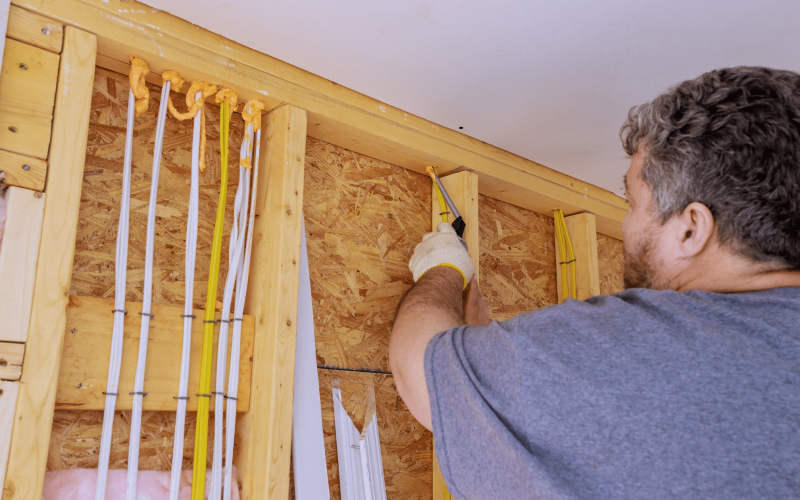
Does insulation cause damp? It’s one of the most common concerns homeowners raise when considering energy efficiency upgrades. Insulation remains one of the most effective ways to improve comfort all year round, yet misconceptions about moisture, overheating and health risks continue to cause confusion. Many ideas about insulation stem from outdated materials, poor installation, or confusion about how heat and moisture behave.
This myth-busting guide explores whether insulation really causes damp, and clarifies what homeowners need to know before making improvements.
Myth 1: “Insulation Makes Homes too Hot in Summer”
Fact: Insulation does not add heat to a home. It simply slows down the movement of heat, helping to create more stability within your indoor climate.
When there is a heatwave, insulated walls and roofs limit how quickly that heat can enter the building. This is why well-insulated homes often stay cooler for longer, not hotter. Peak indoor temperatures usually increase only slightly, often by around one degree. This typically occurs in homes with poor ventilation or large areas of unshaded glazing.
This myth takes hold when people confuse insulation with airtightness. Insulation may work to keep heat where you want it, but air flow still matters. The most comfortable summer homes combine insulation with shading, good ventilation and openable windows.
Myth 2: “Insulation Cause Damp and Mould?”
Fact: Damp and mould come from moisture problems, not the insulation itself.
Many homeowners ask, does insulation cause damp when they notice condensation or mould after retrofit work.
Insulation does not inherently produce damp. Instead, existing moisture issues may become more noticeable after insulation is installed.
When installers fit insulation correctly, it can reduce the likelihood of condensation because it keeps internal surfaces warmer, making them less prone to moisture settling.
However, poor installation can increase condensation. Blocked ventilation or over-insulating the home may lead to damp or mould growth.
The golden rule is to address any signs of damp before installation and make sure the home continues to breathe. Breathable materials, suitable barriers and good ventilation help insulation support a dry, healthy home.
Myth: “Underfloor Insulation is Unnecessary”
Fact: Floors can account for a surprising amount of heat loss and draughts, especially in older homes.
Because floors are less visible than walls or lofts, they’re often overlooked. Yet 20% of heat loss can occur through uninsulated floors, creating chilly rooms and noticeable temperature differences.
Underfloor insulation stabilises temperature by slowing heat loss and reducing draughts. It can also help maintain cooler conditions in summer. By limiting warm air from beneath, it may reduce energy demand by 10 to 20 percent. Additional benefits include reduced dust and allergens entering from the subfloor and fewer cold spots that contribute to condensation.
If homeowners are considering a whole-house approach, the floor is vital in locking in comfort, for every season.
Myth: “Insulation Doesn’t Last Long”
Fact: Manufacturers design most modern insulation to last for decades, often as long as the building itself.
Insulation lifespan depends on the material used. If it stays dry and undisturbed, it can perform efficiently for decades.
Fibreglass: Can last 80-100 years if kept dry and undisturbed, though some loss in performance can start after 15-20 years if exposed to moisture or pests.
Cellulose: Cellulose is often made of recycled, plant-based materials and can typically last 20-30 years, however, this may start to degrade after 15 years if affected by moisture, pests, or poor insulation.
Mineral Wool: (also known as rock wool) is often effective for 30-100 years when installed correctly and kept dry.
Spray Foam: Well installed spray foam can last 80-100 years or the lifetime of the home, with little performance loss if the material stays dry.
Insulation problems usually arise when installers compress it, disturb it during fitting, expose it to leaks, or allow pests to damage it.
Regular checks of loft spaces and accessible areas help homeowners spot issues early. This avoids assuming insulation needs replacing.
Myth: “Insulation will make you unwell”
Fact: Regulations require manufacturers to produce modern insulation products that are asbestos-free and safe once installed.
Health concerns related to insulation products tend to stem from older materials or from handling insulation without protective equipment. Homes built before the 1990s may contain asbestos in old insulation, so homeowners should not disturb it without professional advice.
Modern products, whether fibreglass, mineral wool, cellulose, or spray foam, can cause short-term irritation during installation.
Once installers enclose insulation properly and leave it undisturbed, it poses minimal risk in households. The main risk is moisture. If insulation becomes damp, mould may grow. This can affect indoor air quality and respiratory health.
A dry, ventilated home with properly enclosed insulation generally provides a safe environment for long-term healthy living.
Myth: “All insulation contains fiberglass”
Fact: Fiberglass is common, but far from the only choice.
Many homeowners assume fiberglass is the default, yet the market includes mineral wool, cellulose, sheep wool, hemp, wood fiber and spray foam. The choice of material depends on performance and environmental characteristics.
Fibreglass remains popular due to its effectiveness, and it is also widely available. Homeowners often prefer alternatives in heritage or breathable buildings.
Fiberglass can cause skin irritation or respiratory issues if not properly handled. So, if there is a member of your household with a sensitivity to synthetic fibers, natural materials can provide a low-irritant option.
The key is selecting the right material for the property’s age, structure and ventilation needs.
Myth: “My Home is Too Old for Insulation”
Fact: Very few homes are genuinely “too old” to insulate
38% of homes in the UK were built between 1930 and 1982. Older homes often have little or no insulation, yet they stand to benefit significantly from the right materials.
The main challenge is respecting the building’s original fabric. For example, pre-1919 solid wall homes work well with breathable, moisture-tolerant materials like sheep wool, hemp or wood fibre.
Modern products often suit mid-century homes for loft, cavity or floor insulation.
If you understand and address moisture risks, you can insulate even historic buildings effectively without compromising character.
Insulation is not a one-size-fits-all upgrade, but it does not cause the problems many myths suggest. When installed correctly with proper ventilation and moisture management, insulation supports a comfortable, stable home all year round. If you are still wondering, does insulation cause damp, the answer in most cases is no, provided homeowners address existing moisture issues first.
Homeowners considering improvements may wish to explore our Energy Efficiency Loans to help spread the cost of insulation and other upgrades responsibly.
We recommend carrying out an independent retrofit assessment to determine which improvements may be suitable for your property, circumstances and budget.