Accessible home improvement loans play a crucial role in helping people create safe, warm and sustainable homes. Across the UK, too many people live in properties that undermine their health, wellbeing and financial resilience. Long-term disrepair, poor insulation, outdated heating systems and inaccessible layouts are not minor issues. They affect hundreds of thousands of homeowners, many of whom have exhausted every mainstream route for support.
Behind these statistics are real people navigating daily discomfort, safety concerns and rising costs. Yet traditional lending often excludes those who need support most. This is why fair and accessible home improvement loans matter, not only for individual households, but for wider social and environmental progress.
This is where responsible, people-first, inclusive lending becomes a form of social infrastructure.
The Hidden Divide: Who Gets to Improve Their Home?
Most homeowners want to maintain safe, warm, and functional homes. Homeowners rarely create these barriers themselves. Structural issues create most of the obstacles:
- Long-term disrepair, poor insulation, outdated heating systems and inaccessible layouts create serious challenges for homeowners.
- Cold, energy-inefficient homes that drive bills up and wellbeing down
- Homes that no longer meet residents’ health or mobility needs.
- Credit assessments that overlook complexity, disproportionately excluding those who are retired, on low incomes, or dealing with health challenges.
Regulators such as the Financial Conduct Authority have repeatedly highlighted the importance of fair access to credit and the risks of financial exclusion when lending models fail to reflect real-life affordability.
This lack of access has cumulative consequences: stress, declining health, inefficient energy use and higher long term public costs. Organisations such as National Energy Action continue to highlight how living in cold, inefficient homes impacts health, wellbeing and household finances. Fairness and accessibility in home improvement finance therefore matter not only for individual households, but for the wider social and environmental ambitions the UK is striving for (i.e. public health and net zero).
Customer stories clearly illustrate this divide.
One family in Cornwall lived with high energy costs in an all-electric home, unable to access the finance they needed to install renewable energy measures. An Exeter resident struggled in a property no longer safe or usable after a health condition changed her mobility. A Suffolk homeowner wanted to improve their EPC rating but couldn’t secure mainstream credit that factored in their full circumstances.
None were unwilling to act; they simply faced a system that wasn’t built for them.
The Opportunity: Accessible Home Improvement Loans as an Inclusive Alternative
If traditional finance excludes those who need it most, what does a fairer approach look like?
A people-first model shifts the emphasis from algorithms to human understanding. It considers affordability, stability, and personal context rather than relying solely on automated credit scoring. Real people make decisions based on real conversations, with tailored support rather than one-size-fits-all assumptions.
This kind of responsible lending changes what is possible:
- Individuals who have lived with disrepair for years finally find a route to tackle it.
- Homeowners with complex circumstances are understood rather than filtered out.
- Energy efficiency improvements become accessible to those who stand to benefit most.
- Adaptations that support independence and safety can be planned, not postponed.
Lendology’s own impact data shows just how transformative accessible finance can be. Many customers supported had lived with their home issues for at least 3 years before finding a viable option.
After works, 83% reported improvements to health and wellbeing, and 85% said their home was more energy efficient. The social value created, from reduced stress to safer, warmer homes, is substantial and measurable.
How Fair, Human-Centred Finance Works in Practice.
Accessible home improvement loans work differently from traditional credit models. Instead of relying solely on automated scoring, they focus on individual circumstances and long-term affordability.
A council-funded, recyclable-loan approach creates a sustainable resource for essential home improvements. The structure is simple: repayments flow back into the fund, allowing councils and responsible lenders to support more residents year after year.
Trained team members assess each application with an understanding of nuance. Whether its health issues, caring responsibilities, fluctuating income, or the practical realities of ageing homes. Support is warm, knowledgeable and grounded in accessibility, rather than judgement.
Fairness is operationalised through features such as:
- Tailored support based on circumstances
- No early repayment charges
- Clear, friendly communication
- A focus on people rather than solely credit history
- An emphasis on safe, sustainable living rather than sales.
The approach is simple but significant: remove unnecessary barriers and people take action that protects their health, their homes and their futures.
Customer stories demonstrate this time and again.
- In Cornwall, one family used a green energy loan to install measures that stabilised their home’s energy use, reducing the day-to-day strain of unpredictable bills.
- In Exeter, an accessible home adaptation restored independence and safety for a homeowner whose needs had changed dramatically.
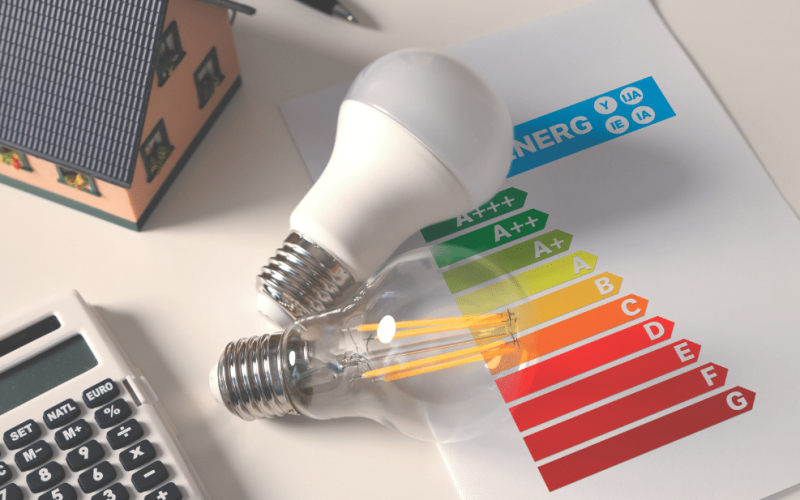
- In Suffolk, a resident moved from an EPC rating of D to A, unlocking a more sustainable way of living.
These stories are not about financial products. They’re about people finally having the means to create homes that support them.
The Impact: Safer, Warmer, More Liveable Homes- and Lives
The outcomes speak for themselves.
When people can finally address the issues they’ve been living with for years, the impact ripples outward:
- Homes become safer, warmer and more energy efficient.
- Stress and anxiety fall sharply once chronic problems are resolved.
- Residents feel more in control of their circumstances.
- Health and wellbeing improve, sometimes dramatically.
- Households become more financially resilient.
Evidence shows that after works, the proportion of customers experiencing major property problems falls from 61% to just 5%. The proportion feeling in good health rises from 55% to 72%, and those feeling in control of their situation from 47% to 85%.
Evidence from the UK Health Security Agency reinforces the link between housing quality and long-term physical and mental health outcomes.
These shifts do not happen by chance. They reflect the power of fairness and accessibility built into every stage of the lending process.
When lenders design home improvement finance responsibly, it becomes more than a simple transaction. It is a way of enabling people to thrive, from safeguarding wellbeing, to unlocking energy savings, improving housing standards and strengthening communities.
Putting People First: A Foundation for Systemic Change
Fair and accessible finance is not a luxury. Accessible home improvement loans provide a necessary mechanism for ensuring that warm, safe and sustainable living is a genuine possibility for everyone, not only those who meet narrow lending criteria.
The customer stories above show that when lenders design finance with fairness at its core, it does far more than repair homes. It restores confidence, stability and dignity, while also creating healthier households and reducing long-term pressure on public services.
Crucially, it demonstrates that a different financial model, one that values people and impact, not only works, but already proves its value in practice.
See the evidence behind the impact
Fair and accessible home improvement finance is already changing lives.
Read our Social Impact Report to see the measurable outcomes – from improved health to safer, more energy-efficient homes.
If you’re wondering what support might be available to you, check your eligibility and start a conversation with our team.