As UK summers become increasingly warmer, many homeowners are noticing the impact that rising temperatures can have on everyday comfort, energy bills, and even the long-term condition of their homes. What once felt like occasional heatwaves are becoming more frequent and intense, making climate resilience an important consideration for the future.
The good news? Improving your home’s resilience to heat doesn’t just make it more comfortable during summer – it can also reduce energy costs, improve efficiency, may contribute to increased property value, and support a healthier living environment year-round.
From insulation upgrades to smart shading solutions, there are a range of practical improvements homeowners can make to help keep homes cooler naturally and reduce reliance on high-demand cooling systems. Whether you’re planning long-term renovations or looking for immediate ways to stay comfortable this summer, there are solutions available for every budget and stage of homeownership.
5 Home Improvements That Make Your Home More Climate Resilient
External Solar Shading
What is the best way to keep a home cool during summer?
External solar shading is one of the most effective methods because it blocks sunlight before heat enters through windows, helping reduce overheating and cooling costs.
This can include:
- External blinds or shutters
- Awnings and canopies
- Pergolas or overhangs
- Brise soleil shading systems (angled, lattice fins outside a building)
Unlike internal blinds or curtains, external shading prevents heat from becoming trapped indoors, helping maintain a cooler internal temperature naturally.
Benefits:
- Reduced overheating
- Lower cooling costs
- Improved comfort in south-facing rooms
- Added privacy and kerb appeal
Triple-Glazed Windows & Solar-Controlled Glass
Modern windows can make a huge difference to temperature regulation inside the home. Triple glazing provides excellent insulation in winter while helping reduce heat transfer during summer.
Solar-controlled glass goes one step further by reflecting excess solar heat away from the property while still allowing natural light inside.
Ideal for:
- South-facing rooms
- Large, glazed areas
- Conservatories and extensions
- Homes exposed to direct sunlight
Benefits:
- Improved year-round energy efficiency
- Reduced glare and overheating
- Lower energy bills
- Better noise insulation
Feeling inspired? Read our real home case studies here.
Loft Insulation
Heat doesn’t only escape through the roof in winter — during summer, poorly insulated loft spaces can allow intense heat to build up and radiate into living areas below.
Effective loft insulation acts as a thermal barrier, helping regulate indoor temperatures throughout the year.
Benefits:
- Cooler upstairs bedrooms in summer
- Reduced heat loss in winter
- Lower energy consumption
- Improved EPC performance
Wall Insulation
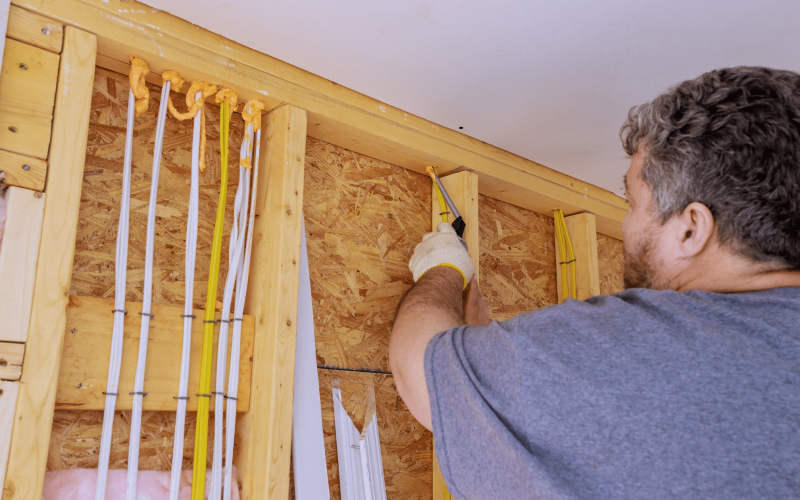
Walls are another major source of heat transfer. Depending on your property type, cavity wall insulation or internal/external wall insulation can significantly improve thermal performance.
Benefits:
- More stable indoor temperatures
- Reduced drafts
- Increased energy efficiency
- Enhanced comfort all year round
External wall insulation can also help shield homes from direct solar exposure during hotter weather, increasing climate resilience.
Trees, Green Roofs & Living Walls
Nature can play a surprisingly powerful role in cooling homes and surrounding environments. Planting leafy deciduous trees near windows or outdoor spaces can provide natural summer shade while still allowing sunlight through during winter once leaves fall.
Green Roofs & Living Walls
Vegetation-covered roofs and walls help absorb heat, improve insulation, and reduce surrounding temperatures in urban areas.
Benefits:
- Natural cooling
- Improved biodiversity
- Better air quality
- Reduced urban heat effects
- Enhanced outdoor spaces
These solutions can be particularly valuable in densely built-up areas where hard surfaces absorb and retain heat.
Lendology work in partnership with councils to support eligible homeowners with essential repairs, home energy installations and adaptations. Check eligibility here.

How to Keep Your Home Cool During UK Heatwaves
While long-term improvements offer lasting resilience, there are also simple day-to-day steps homeowners can take immediately during hot weather.
Keep Windows, Curtains & Blinds Closed During the Day
Closing curtains, blinds, or shutters during peak sunlight hours can help block heat from entering the home, particularly on south-facing windows.
Blackout curtains or reflective blinds can be especially effective.
Create a Cross Breeze at Night
When outdoor temperatures drop in the evening, opening windows on opposite sides of the home can help create natural airflow and flush trapped heat out of the building.
This can significantly improve overnight comfort and sleep quality.
Cook During Cooler Times of Day
Ovens and hobs can generate large amounts of indoor heat during warmer weather.
Try:
- Cooking earlier in the morning
- Using microwaves or air fryers
- Preparing cold meals where possible
- Outdoor cooking options during heatwaves
Use Electric Fans Effectively
Fans don’t lower room temperature, but they can help your body cool itself more efficiently through evaporation.
To stay comfortable:
- Position fans near open windows during cooler evenings
- Stay hydrated throughout the day
- Avoid directing hot air between rooms
Switch to LED Lighting
Traditional bulbs generate unnecessary heat, especially during evenings in smaller rooms.
LED bulbs:
- Produce far less heat
- Use less electricity
- Last longer
- Reduce overall energy consumption
Turning off unnecessary lights and appliances can also help keep rooms cooler.

Climate Resilience is an Investment in Your Home’s Future
As temperatures continue to rise, climate resilience is becoming less of a luxury and more of a practical necessity for homeowners. Making improvements now can help create a home that remains comfortable, efficient, and adaptable for years to come.
Many of these upgrades can also contribute to:
- Lower energy bills
- Improved property value or make a property more attractive to prospective buyers [Source]
- Better EPC ratings
- Reduced carbon emissions
- Increased comfort year-round
If you’re considering home improvements to make your property more climate resilient, it’s worth exploring what support may be available. Depending on your circumstances and the type of improvements planned, grants or funding options may help make upgrades more affordable.
Whether you’re looking at insulation, glazing improvements, or energy efficiency measures, understanding the potential costs and available support is the first step toward creating a cooler, more resilient home.