When we installed solar panels and a battery at home, we had very few doubts about going ahead.

We understood what it would cost and what we could expect in return. We knew roughly how much electricity we’d generate, how much we’d be able to store, how much our monthly energy bills could fall and, as it turned out, how long it would take for the investment to pay for itself. We’d even worked out which energy tariff would help us get the most from the system. (Spoiler: it wasn’t British Gas.)
The reason we felt so confident is that I’ve spent the last 25 years working in the sustainable buildings sector. During that time, I’ve helped developers build more energy efficient homes and supported local authorities and communities to deliver retrofit projects through a wide range of government funding programmes.
That experience meant I understood how solar and battery storage worked, what benefits we could realistically expect and how to identify a reputable installer. We were also fortunate to have a large south facing roof. Technically, it’s south – south west, but who’s counting? Every year it generates almost twice the amount of electricity used by a typical UK home heated by a gas boiler.
Would we recommend solar panels and battery storage? Absolutely.
Does the technology work? In our experience, yes. It’s made a real difference to our energy bills.
When will we see a return on our investment? For us, it’s likely to be around eight years.
These are some of the biggest questions people ask when they’re thinking about making their home more energy efficient:
- How do I know I’m making the right decision for my home?
- How much will it cost?
- Will I actually save money?
- How long will it take to pay for itself?
They’re all sensible questions.
In our experience, for solar panels and battery storage, the answers are often fairly straightforward. Installation typically costs around £8,000 to £10,000, depending on your home and the system you choose. For many households, the savings can make the investment worthwhile over time, with payback often taking between eight and 12 years.
Heat pumps are a little different. Every home is unique, so understanding the costs, savings and suitability takes a bit more consideration. That’s where expert advice can make all the difference.
So, if you’re thinking about making the switch, let’s take a closer look at what you need to know.
Do heat pumps and solar panels work?

It’s one of the first questions many people ask when they’re thinking about making their home more energy efficient.
The short answer is yes.
Today, there are more than 1.7 million homes across the UK with solar panels, and that number continues to grow. Heat pumps are becoming more common too, with hundreds of thousands of homes now using them as their main source of heating. As new homes move away from gas boilers, heat pumps are set to become an increasingly familiar choice.
So, the question isn’t really whether solar panels and heat pumps work.
The more important question is whether they’re the right fit for your home, and whether they’re designed and installed properly to deliver the performance you’re expecting.
That depends on a few key things:
- Good system design
- Choosing the right size for your home
- The quality of the products
- A professional installation
- Ongoing maintenance
Every home is different, and that’s why good advice matters.

If you’re looking for a cleaner, more efficient way to heat your home or generate your own electricity, solar panels and heat pumps can both be excellent options. The key is understanding what’s right for your property, your budget and your long-term goals before you decide.
Making well informed decisions about heat pumps
If you’re thinking about installing a heat pump, taking a little time to plan can make a big difference. These five steps will help you get the best from your investment and improve the chances of ending up with a heating system that’s cleaner, more efficient and cheaper to run.
1. Start with the basics
Improving your home’s insulation first can reduce the size of heat pump you need and help it run more efficiently.
Before you install a heat pump, consider whether you could:
- Top up your loft insulation, or install it if you don’t already have it.
- Add cavity wall insulation, if your home is suitable.
- Repair or replace single glazing or failed double glazed windows.
2. Do your research
If you’re already reading this article, you’re off to a good start.
Before making a decision, it’s worth understanding:
- what’s possible for your home
- the likely costs and potential savings
- whether a heat pump is the right option for your circumstances
At Thermly, we help homeowners understand their options before they commit, giving them clear information and the opportunity to ask as many questions as they need.
3. Choose the right installer
A good installer is just as important as choosing the right heat pump.
Look for someone who:
- has the right qualifications and certifications
- has experience installing heat pumps
- works in your local area
- will continue to support you after installation if you need advice or maintenance
4. Don’t choose on price alone
Installing a heat pump is a significant investment, so it’s worth comparing quotes carefully.
If one quote is dramatically lower than the others, take the time to understand why. A thorough home survey should take time, and a good installer will carefully assess your property’s heating needs before recommending a system.
The cheapest option isn’t always the best value over the long term.
5. Learn to play the ukulele*
No, this isn’t essential for your heat pump.
But taking up a new hobby while you’re waiting for the installation isn’t a bad idea. Learning something new is good for the brain, and it’s certainly a more rewarding way to spend your time than endless doom scrolling.
*Results may vary depending on your musical ability.
The biggest concern: getting it wrong
It’s completely understandable to worry about making the wrong decision. Installing solar panels or a heat pump is a significant investment, so it’s worth taking the time to get the right advice before you commit.
Start with independent advice
A good starting point is to speak to someone who can help you understand whether renewable technologies are the right fit for your home.
At Thermly, we’re happy to look at your property before an installer gets involved and talk through the options with you. If we don’t think a heat pump or solar panels are the right solution, we’ll tell you. Sometimes the best advice is to wait, improve the fabric of your home first or consider a different approach.
Choose an installer you trust
A reputable installer should carry out a thorough survey and explain clearly whether a system is suitable for your home and why.
If they don’t think it’s the right solution, they should be confident enough to say so.
That’s why choosing an experienced, qualified installer is so important. A good installer won’t simply recommend the same solution for every property. They’ll take the time to understand your home and recommend what’s genuinely right for you.
It’s not a cop out, but there’s no single answer.
The cost of installing renewable technologies depends on your home, the products you choose and the type of installation required. A broad estimate can be useful, but it won’t tell you what’s right for your property.
If you’d like a more personalised estimate, click HERE and answer a few quick questions. In around 30 seconds, you’ll receive an estimate tailored to your home and circumstances.
If you’re still looking for some typical costs, here’s a guide:
- Heat pumps: around £5,000 to £10,000, after taking the Government’s Boiler Upgrade Scheme grant of £7,500 into account.
- Solar panels: typically £5,000 to £7,500, depending on your roof and the size of the system. (There isn’t currently a grant available.)
- Battery storage: around £3,000 to £10,000, depending on capacity and specification.
The personalised estimate linked above will give you an indication of how long it could take for your investment to pay for itself, based on your home and circumstances.
The same estimate also provides an indication of the savings you could expect, helping you understand what the investment might look like over the long term.
Every home is different, and so is every installation. The amount you could save depends on a combination of factors, some within your control and some that aren’t.
Things you can’t control include:
- Future energy prices.
- The energy tariffs available at the time.
- The weather, particularly for solar generation.
- Future government policies and funding schemes.
Things you can influence include:
- How and when you use energy at home.
- How your heating and energy systems are controlled.
- The level of insulation and overall energy efficiency of your home.
- Reviewing your energy tariff regularly to make sure it still suits your needs.
Payback periods are also affected by factors such as:
- Installation costs.
- Electricity export tariffs.
- The heating fuel you’re replacing, such as gas, oil, LPG or direct electric heating.
- Future energy prices.
- The size and performance of the system you install.
Future energy prices are one of the biggest unknowns. While no one can predict how prices will change, generating more of your own energy can help reduce your reliance on electricity from the grid, making your home less exposed to future price rises.
When thinking about the return on your investment, it’s natural to focus on energy bill savings. But there may be other benefits too.
Installing solar panels is likely to improve your home’s Energy Performance Certificate (EPC) rating. Research commissioned by MoneySuperMarket found that homes with higher EPC ratings can attract a premium compared with less energy efficient properties, with differences of up to 14% reported in some parts of the UK.
Source: MoneySuperMarket Research
Heat pumps are a little more complicated.
Because of the way EPCs are currently calculated, replacing a gas boiler with a heat pump doesn’t always improve your EPC rating, even though it can reduce carbon emissions and improve the way your home is heated. Changes to the EPC methodology are expected in the future, but it’s worth being aware of how the current system works.
While no increase in property value can be guaranteed, as energy efficiency becomes more important to homebuyers, improvements such as solar panels and heat pumps may help make your home more attractive when the time comes to sell.
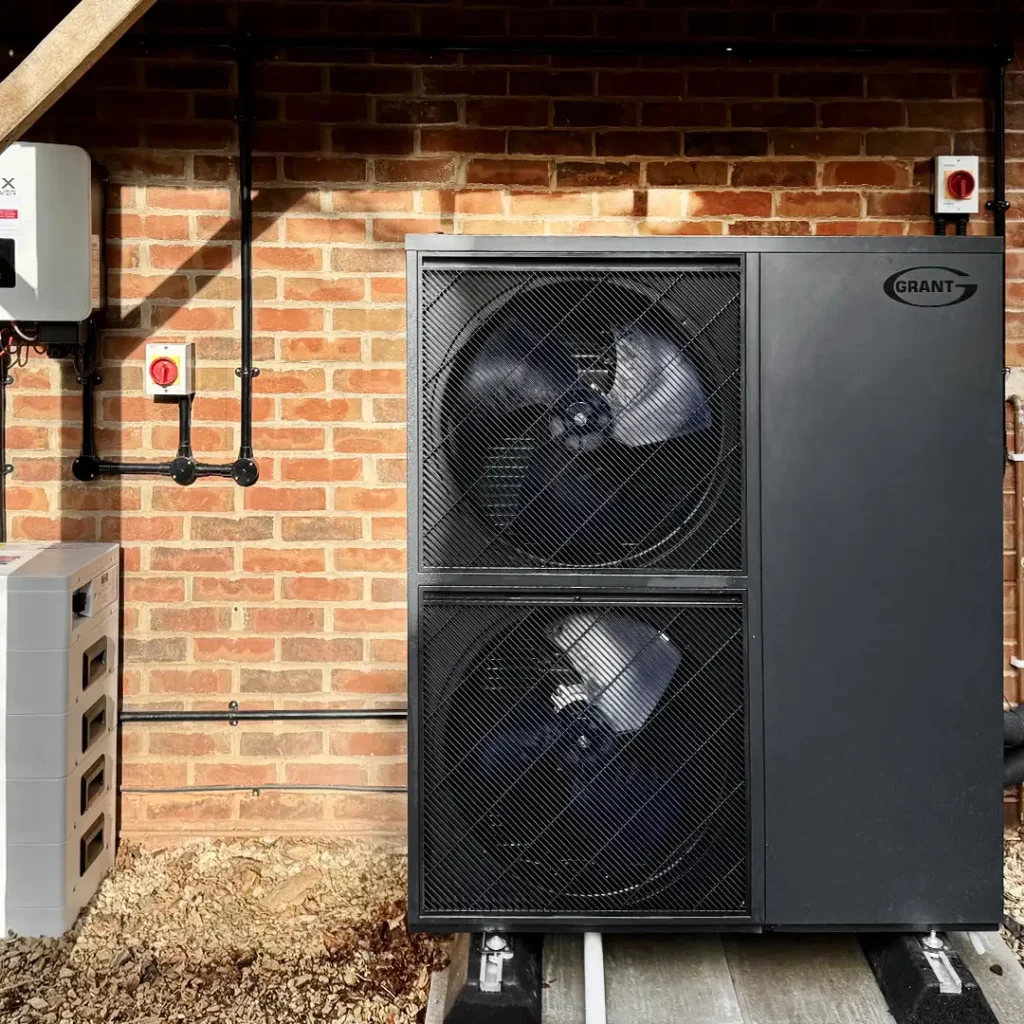
Still worried it’s a risky investment?
That’s understandable.
Renewable technologies are a significant investment, so it’s worth taking your time, asking questions and making sure you’re comfortable with both the technology and the people you’re working with.
If you’ve reached this point in the article, you’ll hopefully feel more confident that the technology itself isn’t the biggest risk. The key is getting good advice, choosing the right products and working with experienced installers.
If you’d like personalised guidance, you can start with Thermly’s free Home Energy Assessment.
Free Home Energy Assessment
https://platform.thermly.co.uk
In around a minute, you’ll receive information tailored to your home, including:
- Indicative system sizing
- Estimated installation costs
- Estimated energy, cost and carbon savings
- Information about grants and funding
- An indication of how long your investment could take to pay for itself
From there, if you’d like to take the next step, you can connect with local installation teams to discuss your options in more detail or arrange an in-person home survey.
The assessment is completely free.
Building trust
Helping homeowners understand their options with confidence is exactly why Thermly was created.
We’re also proud to be a Certified B Corporation™, reflecting our commitment to high standards of social and environmental responsibility in the way we work, support customers and operate as a business.
Our aim is simple: to help people understand their home, explore the options available and make informed decisions based on clear, practical information.
Whether you decide to install solar panels, a heat pump, battery storage or none of the above, having the right information from the start gives you the best chance of making a decision you’ll feel confident about for years to come.